


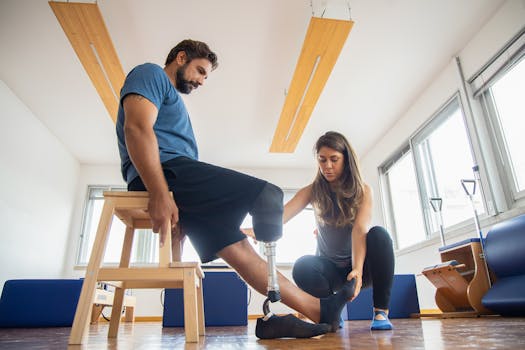
Imagine a moment of unexpected physical setback. Perhaps a sports injury that sidelines you from your favorite activity, or a post-surgical recovery that feels slower than anticipated. In these instances, the search for effective care becomes paramount. This is precisely where the concept of Tallmadge health and rehab emerges, not just as a service, but as a crucial component of regaining function, alleviating pain, and ultimately, enhancing quality of life. But what exactly does this entail? Is it simply about getting back on your feet, or is there a deeper, more holistic dimension at play?
The term itself, “Tallmadge health and rehab,” suggests a localized focus, hinting at specialized care within a specific community. It begs the question: what makes this particular approach to health and rehabilitation unique or particularly effective for those in the Tallmadge area? Understanding this requires us to delve beyond the surface and explore the underlying principles, methodologies, and the very essence of what constitutes successful rehabilitation. It’s an invitation to critically examine the options and to discern the pathways that lead to genuine, lasting wellness.
Unpacking the Core Philosophy of Tallmadge Rehabilitation
At its heart, effective rehabilitation isn’t merely about treating an injury or condition; it’s about restoring function and empowering individuals. When we talk about Tallmadge health and rehab, we’re often referring to a patient-centered approach. This means tailoring treatment plans to the individual’s specific needs, goals, and lifestyle. It’s a far cry from a one-size-fits-all model.
Think about it: each person’s body is unique, as are their experiences with pain or limitation. Therefore, a truly effective rehabilitation program must acknowledge and adapt to these individual differences. This might involve a blend of manual therapy, therapeutic exercises, and education, all orchestrated to guide the patient back to their optimal state. I’ve often found that the most successful outcomes stem from a collaborative relationship between the patient and their healthcare provider, where open communication is key.
Beyond the Basics: Exploring Advanced Techniques in Recovery
The landscape of health and rehabilitation is constantly evolving. What might have been considered cutting-edge a decade ago is now standard practice. Within Tallmadge health and rehab settings, one might expect to find a commitment to incorporating these advancements.
Consider the growing role of:
Therapeutic Modalities: Beyond basic heat and ice, advanced modalities like ultrasound, electrical stimulation, and dry needling can offer targeted pain relief and promote tissue healing.
Functional Movement Training: This focuses on improving how you move in everyday activities, rather than just isolating specific muscles. It’s about re-training the body’s natural movement patterns.
Technology Integration: From wearable sensors that track progress to virtual reality for immersive rehabilitation exercises, technology is playing an increasingly significant role.
These innovations aren’t just buzzwords; they represent tangible steps towards more efficient and effective recovery processes. It’s fascinating to see how these tools can accelerate healing and help patients achieve goals they might have once thought were out of reach.
Navigating Your Rehabilitation Journey: Key Considerations
Deciding on a rehabilitation provider is a significant step. It’s not just about finding a place, but finding the right place. When considering Tallmadge health and rehab options, what questions should you be asking?
What is their approach to patient care? Do they emphasize a personalized, holistic strategy?
What are the qualifications and experience of their therapists? Are they specialists in your particular area of need?
What technologies and treatment methods do they employ? Do they align with current best practices?
What is the typical patient experience like? Reading reviews or asking for testimonials can be invaluable.
How do they measure progress and success? Clear metrics can offer reassurance and motivation.
It’s also worth considering the accessibility and convenience of the location, as consistent attendance is often crucial for optimal results. Don’t be afraid to schedule introductory consultations. This is your health, and you have the right to feel confident in the care you receive.
The Crucial Role of Patient Engagement in Healing
Ultimately, the most sophisticated rehabilitation techniques are only as effective as the patient’s willingness to participate. A therapist can provide guidance and expertise, but the real work of healing often happens between sessions. This is where the “rehab” aspect truly comes to life.
Engaging in your rehabilitation means:
Adhering to your home exercise program. Even when you feel better, continuing these exercises is vital for long-term strength and stability.
Communicating openly with your therapist. If something hurts, or if you’re not seeing progress, speak up.
Making lifestyle adjustments. This might include modifying your diet, managing stress, or ensuring adequate sleep, all of which impact healing.
Setting realistic expectations. Recovery is a process, and there will be good days and challenging days.
In my experience, patients who actively embrace their role in the healing process tend to achieve the most remarkable results. It’s a partnership, and your commitment is a cornerstone of that success.
Wrapping Up: Is Tallmadge Health and Rehab Your Next Step?
The journey of recovery is rarely a straight line. It’s often a winding path, filled with both triumphs and the occasional stumble. When we consider the offerings of Tallmadge health and rehab, we’re looking at a landscape of dedicated professionals and evolving techniques designed to guide individuals through these complexities. It’s about more than just regaining lost function; it’s about rebuilding resilience, rediscovering potential, and reclaiming an active, fulfilling life. The critical question isn’t whether rehabilitation is necessary, but rather, how can you best leverage the specialized expertise available to empower your own healing journey? By asking thoughtful questions, engaging actively in your care, and understanding the multifaceted nature of recovery, you can make informed decisions that pave the way for lasting wellness.